

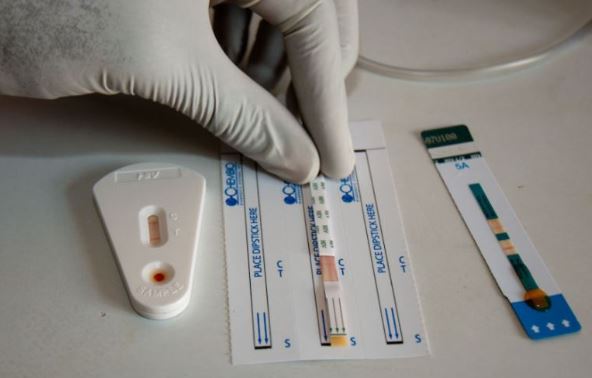
A twice-yearly injection designed to prevent HIV, hailed as one of the most significant advances against the virus in decades, has sparked mixed reactions among Nigerians after reports suggested it could soon be available for about $40 (less than ₦70,000) per patient annually.
The drug, called lenacapavir and sold in the United States under the brand name Yeztugo by Gilead Sciences, currently costs over $28,000 per year there. However, a new initiative involving Indian pharmaceutical companies Hetero Labs Ltd. and Dr. Reddy’s Laboratories, together with the Gates Foundation, Unitaid, the Clinton Health Access Initiative, and Wits RHI, aims to introduce affordable generic versions across low-resource countries, including those in Africa. According to reports by Reuters and The Guardian UK, the rollout is expected within weeks.
Unlike daily pre-exposure prophylaxis (PrEP) pills, lenacapavir requires just two injections per year, each offering six months of protection. Experts describe this long-lasting protection as “transformational”, particularly for women who face challenges with daily medication or condom negotiation. Former U.S. President Bill Clinton praised the breakthrough, saying it could “change lives,” noting its cost-effectiveness compared to existing PrEP options.
Global projections suggest even a modest rollout in high-burden countries could reduce new HIV infections by up to 20 percent.
Public Skepticism
Despite the optimism, many Nigerians remain wary.
Tobe, a Port Harcourt-based fuel attendant, expressed doubt: “How can two yearly injections replace pills taken daily for 365 days?”
A student at the Federal University of Technology, Owerri, also said he would prefer sticking with PrEP.
On social media, conspiracy theories and mistrust quickly surfaced. Some linked the initiative to fertility suppression or population control agendas, drawing parallels with lingering distrust over COVID-19 vaccines. One Instagram user claimed, “Na to kill our fertility rate this man dey find.” Others argued that prevention methods like abstinence, condoms, and antiretrovirals were sufficient.
Still, some welcomed the news, highlighting the drug’s potential to reduce stigma and improve adherence.
Expert and Public Health Perspectives
Dr. Dan Onwujekwe, a former senior researcher at the Nigerian Institute of Medical Research, dismissed claims of hidden agendas. He emphasized that the key issues are accessibility, affordability, and rollout strategies. He noted that twice-yearly injections would greatly improve adherence compared to daily PrEP pills, which many avoid due to stigma.
While some insist it should not be a universally free treatment, others see it as vital progress. Supporters online also defended global health figures involved, with one user commenting, “God bless this man (Bill Gates). Hated by so many for no reason.”


